Car Accident & Sports Injury
Soft Tissue Injury Treatment
In Kent, WA.
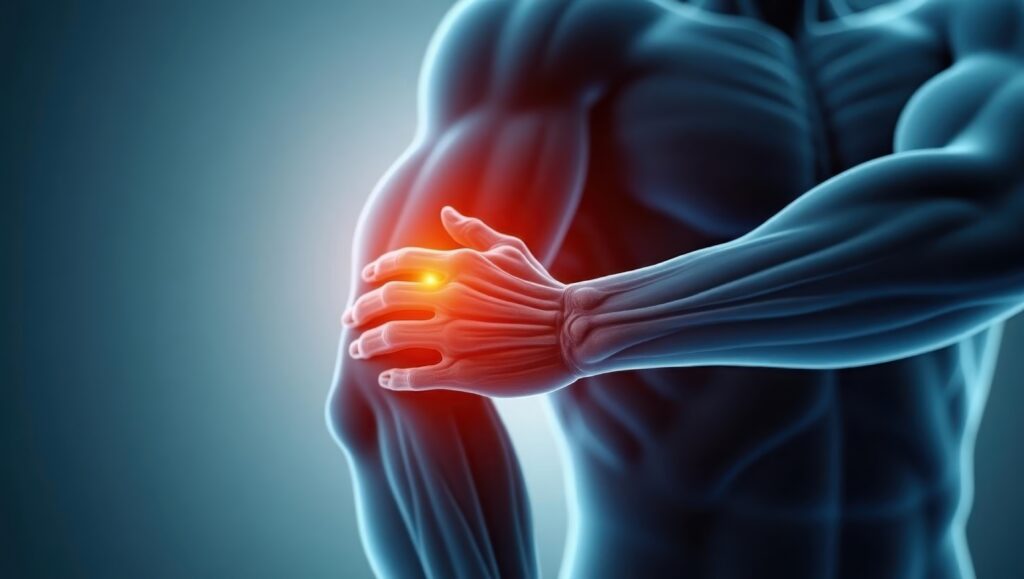
Soft tissue injuries involve damage to muscles, ligaments, or tendons — common after car accidents, falls, or sports activity. These injuries don't always show on X-ray, which is why a hands-on clinical exam matters.
Overview
Understanding Soft Tissue Injury
Soft tissue injuries involve damage to muscles, ligaments, or tendons — common after car accidents, falls, or sports activity. These injuries don't always show on X-ray, which is why a hands-on clinical exam matters. Our evaluation determines the specific cause before recommending adjustments, soft tissue therapy, or rehabilitative exercise.
Common Signs
Signs Of Soft Tissue Injury To Watch For
Swelling Or Bruising
Stiffness Or Reduced Motion
Pain With Movement
Muscle Weakness
Common Causes
What Causes Soft Tissue Injury?
Car Accidents
Sudden impact can strain or tear muscles, ligaments, and tendons even in a relatively low-speed collision.
Sports & Falls
Contact sports, awkward landings, and falls are common causes of soft tissue strains and sprains.
Repetitive Strain
Repeated motion at work or during activity can gradually overload muscles and tendons over time.
Our Approach
How We Treat Soft Tissue Injury
Hands-On Clinical Exam
Since these injuries don't always show on X-ray, a hands-on exam of movement and tenderness is central to diagnosis.
MRI Review When Warranted
When your exam findings call for it, we review or coordinate imaging that can show muscle, ligament, and tendon detail.
Soft Tissue Therapy & Rehab Exercise
Your plan combines hands-on soft tissue work with exercise to restore strength and motion.
Soft Tissue Injuries Don’t Always Show Obvious Signs Right Away
Swelling and bruising sometimes take a day or more to appear, and muscle or ligament strain doesn't show up on an X-ray — which is why an early hands-on evaluation matters, especially if you're documenting an injury for a personal injury claim.
Soft Tissue Injury Treatment FAQ
Not usually — X-rays show bone, not soft tissue. A clinical exam and sometimes MRI are used to evaluate muscle, ligament, and tendon injuries.
As soon as possible — early evaluation helps document the injury and guide appropriate care.
A sprain involves a ligament, while a strain involves a muscle or tendon — both are common soft tissue injuries we evaluate and treat with a similar hands-on approach.
In most cases PIP benefits on an auto policy cover chiropractic treatment for accident-related soft tissue injuries; we verify your specific benefits before your first visit.
Healing time varies by injury type and severity — your treatment plan is based on your exam findings and how your body responds over time.
Related Conditions
Also Commonly Treated Together
Dealing with soft tissue injury?
Call 253-631-7933 or request an appointment — we'll start with an exam to understand what's causing your symptoms.