Disc-Related Pain
Slipped Disc Treatment
In Kent, WA.
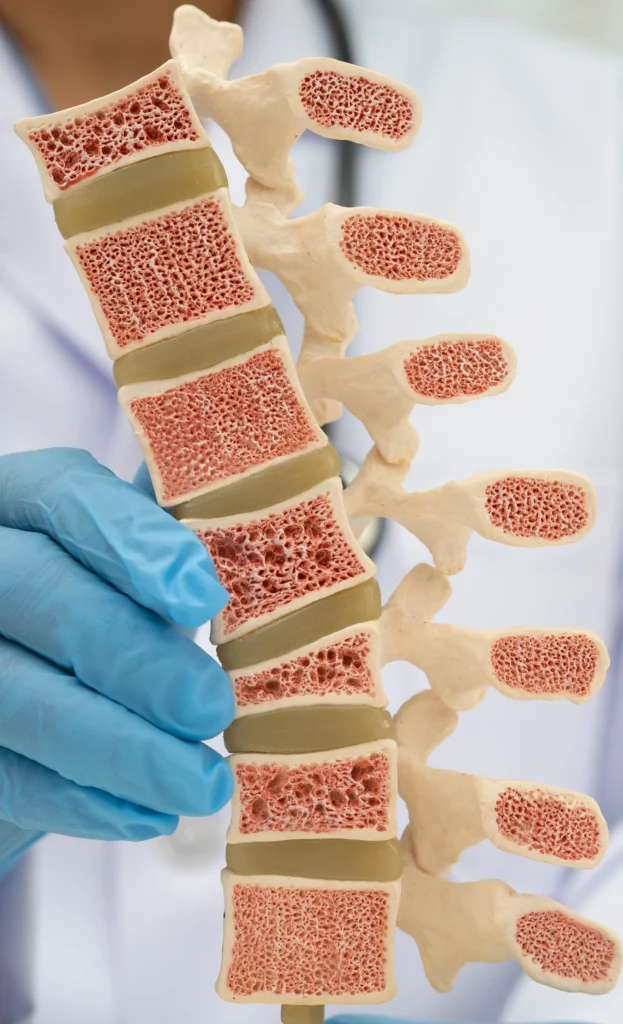
A slipped (herniated or bulging) disc occurs when the soft cushioning between spinal bones shifts or presses outward, sometimes irritating a nearby nerve. It's a common source of back pain, neck pain, and radiating nerve symptoms like sciatica.
Overview
Understanding Slipped Disc
A slipped (herniated or bulging) disc occurs when the soft cushioning between spinal bones shifts or presses outward, sometimes irritating a nearby nerve. It's a common source of back pain, neck pain, and radiating nerve symptoms like sciatica. Our evaluation determines the specific cause before recommending adjustments, soft tissue therapy, or rehabilitative exercise.
Common Signs
Signs Of Slipped Disc To Watch For
Localized Back Or Neck Pain
Pain Radiating Into An Arm Or Leg
Numbness Or Tingling
Pain Worse With Bending Or Sitting
Common Causes
What Causes Slipped Disc?
Age-Related Disc Wear
Discs naturally lose some water content and flexibility over time, making them more prone to bulging or herniation.
Sudden Lifting Or Twisting
An awkward lift or twisting motion can cause a disc to shift or herniate, especially under load.
Car Accidents & Impact
Sudden impact can contribute to disc injury, particularly when combined with existing disc wear.
Our Approach
How We Treat Slipped Disc
Exam To Localize The Disc Involved
We identify which level of the spine is involved and whether a nerve is being affected.
Imaging Review When Warranted
If your exam findings call for it, we review imaging to confirm disc involvement rather than guessing.
Conservative Care First
Most disc-related pain responds to a conservative plan of adjustments, decompression-focused techniques, and rehabilitative exercise before more invasive options are considered.
Numbness, Weakness, Or Loss Of Bladder Control Needs Immediate Medical Attention
Most slipped disc pain responds well to a conservative care plan, but numbness, progressive weakness, or any loss of bladder or bowel control alongside disc symptoms is a medical emergency and needs immediate attention — not chiropractic care first.
Slipped Disc Treatment FAQ
These terms are often used interchangeably; a bulge is a less severe outward shift while a herniation involves the disc's inner material pushing through its outer layer. Imaging helps clarify the specific finding.
Many disc-related cases improve with a conservative care plan; surgery is typically considered only when conservative care hasn't helped or specific red-flag symptoms are present.
Care is adapted to your specific exam findings and the level and severity of disc involvement — not every technique is appropriate for every case.
It varies significantly by severity and how your body responds to care; your plan is based on your specific exam findings.
Numbness, progressive weakness, or loss of bladder or bowel control are signs that need immediate medical attention rather than chiropractic care first.
Related Conditions
Also Commonly Treated Together
Dealing with slipped disc?
Call 253-631-7933 or request an appointment — we'll start with an exam to understand what's causing your symptoms.